The 12-to-16 rule
Fewer than twelve designs and the wall feels thin — guests sense there is no real choice and drift past. More than sixteen and choice turns into homework: the line slows while people deliberate, and slow lines kill patch bars. Twelve to sixteen designs, arranged in a clean grid with breathing room, is where browsing feels abundant but deciding stays quick.
Build in three tiers
- Heroes (2–3 designs): the logo, the date, the mark of the event. Biggest physical size, double stock depth, eye-level placement. Most finished pieces will carry one.
- Supports (6–9): department badges, product marks, motifs from the invitation or campaign. Mid-size, mid-depth — this tier creates the mix in mix-and-match.
- Accents (3–4): small shapes, letters, and jokes. Cheap to produce, huge personality per square inch, and the tier guests use to make a piece feel like theirs.
One color story, strictly enforced
A wall where every patch shares a palette photographs like merchandise; a wall of clashing one-offs photographs like a lost-and-found. We pull thread colors from your brand book or invitation suite and hold every design to it — including borders, which quietly do more for wall cohesion than any other element. When a client wants one deliberately off-palette wildcard, we make it the smallest patch on the wall. It reads as a wink instead of a mistake.
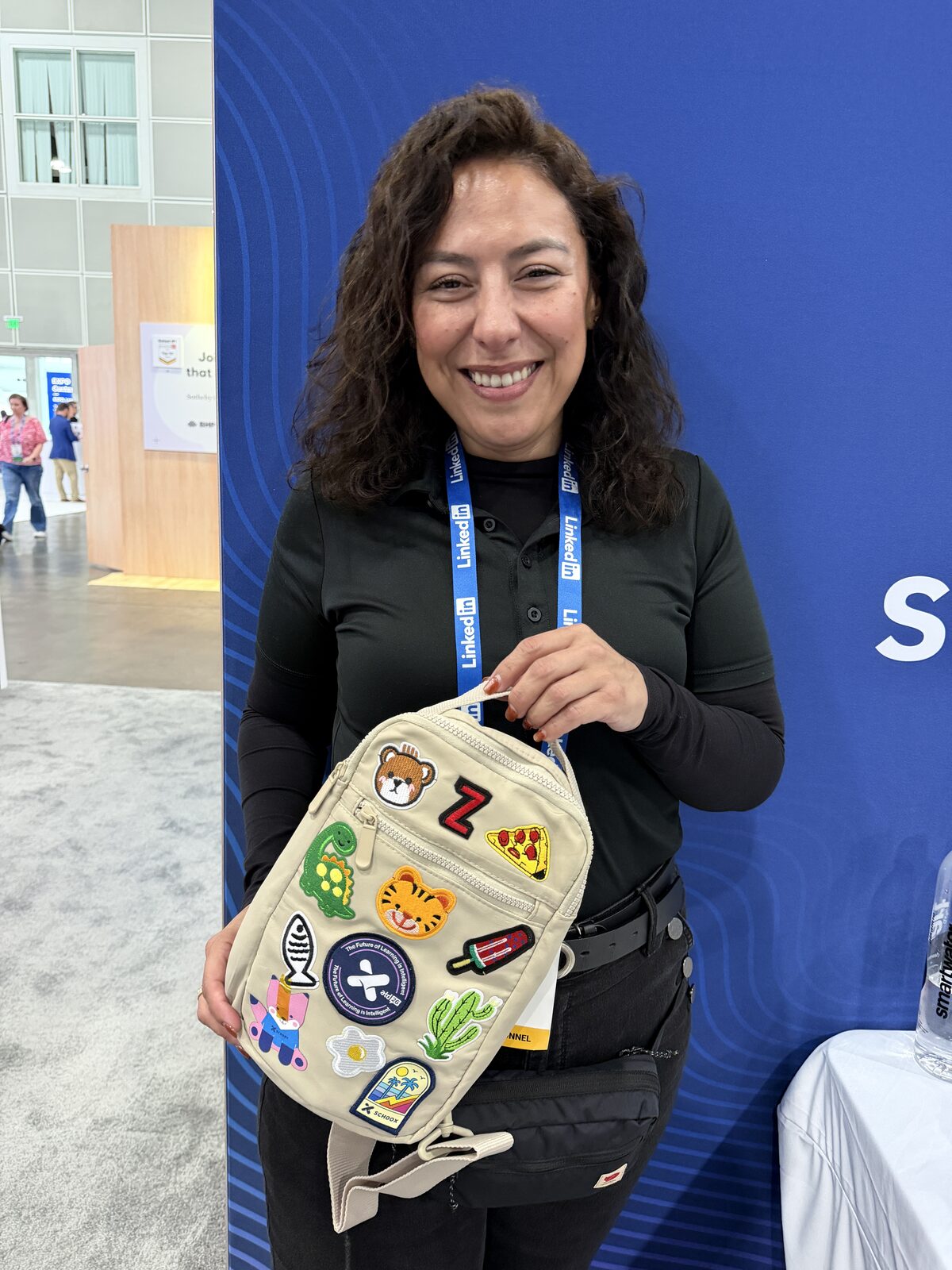
Signage and samples do the selling
Two finished sample pieces — one restrained, one maximal — flank the wall and silently teach guests the range of what is possible. A small sign with three words of instruction ("pick, place, press") removes the hesitation that costs each guest fifteen seconds at the front of the line. That is all the signage a good wall needs; the patches are the copy.
Restock rhythm
The crew rebalances the grid every twenty to thirty minutes, pulling stock from under-table reserves so no design ever shows an empty cell. An empty cell reads as "the good ones are gone" and cools the whole line. This is also where hero-weighted ordering pays off — the designs that run hot have the depth to stay visible until the last hour.
Wall math for a 150-guest event
Numbers make the tiers concrete. At 150 guests averaging just under two patches each, order roughly 270 patches across fourteen designs: three heroes at 40 each, eight supports at 15–18 each, and three accents at 10–12. That distribution keeps every cell of the grid stocked through the final hour while spending most of the budget where guests actually spend their choices. Garment blanks follow separately at 1.05x headcount, and the whole order — patches, blanks, crew — prices as one line on the pricing page so nothing arrives as a surprise fee.
The physical wall, specified
Our standard wall is a freestanding grid panel, about six feet wide, that sets up in twenty minutes and needs no venue hardware — no nails, no easels borrowed from the catering office. It shares the station's ten-by-ten footprint with the press table and staging surface, and the press draws one dedicated 120V 20A circuit; the wall itself needs nothing but decent light. If the room runs dim (galas, breweries, anything after nine), we clip on two battery bar lights, because a wall guests cannot read from six feet away might as well be blank. Corners beat walkway edges for placement: the browsing crowd needs somewhere to stand that is not the path to the bar.
When sponsors join the grid
At trade shows and sponsored activations, the wall doubles as inventory space that partners will pay for. The format that works: sponsors take one support-tier slot each, produced in the same palette and border spec as the rest of the collection. Guests treat a well-made sponsor patch as one more choice, not an ad — the discipline of the color story does the diplomatic work. What we decline is letting a sponsor bring pre-made patches from elsewhere; off-spec pieces break the merchandise read the whole wall depends on, and one mismatched border is visible from across the hall. Producing the sponsor slot in-house costs less than the argument anyway.
Want a wall composed for your event? Send your artwork and we will send back a tiered collection sketch with quantities.
Your artwork, tiered and gridded.
We compose the wall, you approve the sketch — collection design is part of every quote.